Summer Pet Safety: Keeping Your Furry Friends Cool and Protected
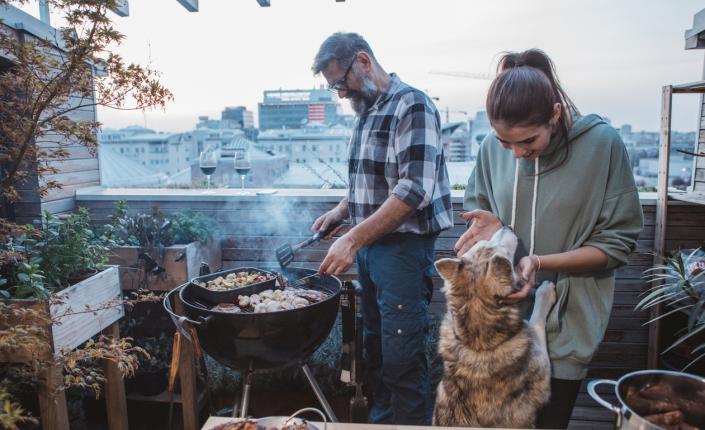
The warm weather brings plenty of opportunities to enjoy the outdoors with our four-legged companions, but summer also presents unique challenges for pet safety. From scorching pavements to holiday fireworks, our pets face seasonal hazards that require our attention and care.
This comprehensive guide breaks down essential summer pet safety tips to ensure your furry friends stay happy, healthy, and comfortable all season long.
Keeping Pets Safe in Summer Heat
Signs of Heat Stroke in Pets
Heat stroke is a serious condition that can affect any pet, but some are particularly vulnerable. Brachycephalic breeds like Bulldogs, Pugs, senior pets, and Persian cats are especially susceptible to heat-related illness due to their shortened airways, requiring extra vigilance from their owners.
Watch for warning signs including:
Excessive panting or drooling
Bright red gums and tongue
Rapid heart rate
Weakness or collapse
Vomiting or diarrhea
Glazed eyes or a dazed expression
Body temperature above 39.5°C (103°F).
If you notice these symptoms, move your pet to a cool area immediately, offer small amounts of water, and contact your veterinarian right away. Heat stroke can be life-threatening and requires prompt medical attention.
Hot Weather Safety Tips
Preventing heat stroke is always better than treating it. Never leave pets in parked vehicles, even with windows cracked, as temperatures can rise to dangerous levels within minutes. This is perhaps the most critical summer safety rule, as a car can reach deadly temperatures in just 10 minutes on a warm day.
Provide constant access to fresh water and consider adding ice cubes to keep it cooler longer. Creating shady retreats in your yard ensures outdoor pets have cool spots to relax, while indoor pets benefit from cool tile floors or basement areas on particularly hot days.
Schedule walks during cooler hours in the early morning or evening and always check pavement temperature with your palm before walking dogs. If it's too hot for your hand, it's too hot for their paws. Consider investing in protective booties for dogs who need to walk during warmer hours.
For extremely hot days, cooling products like pet-safe cooling mats or vests can provide relief. Keep your home comfortable by using fans, closing blinds during peak sun hours, and ensuring good air circulation, especially if you don't have air conditioning.
A fun way to help pets cool down is by making frozen treats. Blend pet-safe fruits like watermelon (seeds removed) with water and freeze in ice cube trays for a refreshing summer snack your furry friend will love!
Summer Barbecue Safety Tips for Pet Owners
Our Canadian summers wouldn't be complete without a good backyard barbecue, but these gatherings present several hazards for curious pets. Creating a safe environment while still enjoying the festivities requires a bit of planning and awareness.
Grilling Safety for Pet Owners
Create a pet-free zone around the grill to prevent burns and other injuries. The sizzling sounds and enticing aromas can be irresistible to pets, so having a designated space keeps them safe from hot surfaces, falling food, and potential flare-ups.
Secure garbage bags and drip trays to prevent pets from accessing grease, which could cause stomach upset or pancreatitis—a painful and potentially serious inflammation of the pancreas. Never leave the grill unattended when pets are present, and store lighter fluid and matches in secure locations away from curious paws and noses.
After the barbecue, clean the grill and surrounding area promptly to remove tempting food residue. A thorough cleanup prevents pets from finding leftovers that could cause digestive issues or injuries from items like wooden skewers or corn cobs.
Food Hazards to Avoid
Many common barbecue foods are dangerous for pets and should be kept well out of reach. Bones, especially chicken and rib bones, can splinter and cause internal damage if swallowed. Corn cobs are a common cause of intestinal blockages in dogs, often requiring surgical removal.
Onions and garlic, found in many marinades and side dishes, can be toxic to both dogs and cats, even in powder form. Keep alcoholic beverages away from pets, as even small amounts can be dangerous. Fatty trimmings from steaks and burgers may cause digestive upset and pancreatitis, while skewers and toothpicks present choking and puncture risks.
A helpful strategy for barbecues is to designate a "pet patrol" person at your gathering who keeps an eye on furry guests and ensures they're not getting into trouble or being fed unsafe foods by well-meaning but uninformed guests. This person can also ensure pets have access to shade and water throughout the event. When in doubt, leave Fido inside or secured on a lead.
Want to know what foods are safe for your furry friend? We’ve got the scoop.
Pet Safety During Fireworks
Whether it's Canada Day celebrations or local summer festivals, fireworks are a summer staple that can be terrifying for many pets. Understanding why they react so strongly and how to help them cope can make these events less stressful for everyone.
Why Are Pets So Afraid of Fireworks?
Our pets' reaction to fireworks isn't simply a matter of being startled—there are several reasons why fireworks can trigger such intense fear responses. Dogs and cats have much more sensitive hearing than humans do. What sounds loud to us can be physically painful for them. The unpredictable nature of fireworks—random booms with no warning—can trigger their instinctual fear response.
Many pets also lack the context to understand that fireworks are harmless celebrations. From their perspective, the sky is suddenly filled with loud noises, strange smells, and flashing lights with no apparent cause or pattern. This unpredictability makes it impossible for them to acclimate or prepare.
Additionally, some pets may have had negative experiences during previous fireworks displays or thunder storms, creating learned anxiety that worsens with each exposure. This explains why some older pets seem to become more afraid of fireworks each year—their anxiety may have been reinforced over time.
How to Prepare Your Pet for Fireworks
Preparation is key to minimizing stress during fireworks displays. Update identification by ensuring collars have current tags and microchips are registered with your current contact information. Even the most secure homes can be escaped by a determined, panicked pet, so proper ID is essential for reunion if they bolt.
Exercise your pet earlier in the day to help burn off energy, which may help reduce anxiety later in some dogs and cats. Create a safe space by setting up a comfortable area in the quietest part of your home, perhaps in a basement or interior room with no windows. Add familiar bedding, toys, and an article of your clothing to provide comforting scents.
Use familiar sounds like television, radio, or white noise machines to help mask the sound of fireworks. Close windows and curtains to reduce noise and prevent escape while blocking the flashing lights that can increase anxiety. Consider anxiety wraps or thundershirts, which provide gentle, constant pressure that many pets find calming—similar to how a hug can comfort a frightened child. Your vet can also help provide suggestions if needed.
Calming Pets During Fireworks
When the fireworks begin, your own behaviour can significantly impact your pet's response. Stay calm yourself, as pets often take emotional cues from their humans. If you act worried, reprimand them, or make a fuss over their fear behaviour, it could reinforce their belief that something is truly wrong.
Distract with toys or treats by using puzzle feeders to keep their minds occupied with something positive. Playing games or introducing new toys during fireworks can create positive associations over time. Offer gentle reassurance when needed.
Never punish fearful behaviour, as this only increases stress and damages your bond of trust. Consider calming aids and speak with your veterinarian about options like pheromone diffusers (which release calming scents that are soothing to pets) and supplements.
For pets with severe fireworks anxiety, consult your veterinarian well before fireworks season. They may recommend behaviour modification techniques or appropriate medications for severe cases. With a combination of preparation, training, and perhaps medication, many pets can learn to tolerate fireworks with less distress.
Water and Outdoor Adventure Safety
Summer adventures with pets often involve water activities and exploration, which come with their own set of safety considerations. Taking proper precautions ensures these outings remain fun and free from preventable accidents.
Water Safety
Don't assume all dogs can swim—some breeds like Bulldogs, Dachshunds, and Basset Hounds have body types that make swimming difficult or impossible. Even natural swimmers can struggle in unfamiliar or rough water conditions. Use pet life jackets for boating and swimming to help give you peace of mind and your pet extra buoyancy.
Prevent your pets from drinking from lakes and rivers which may contain harmful bacteria or blue-green algae that can cause serious illness. Bring plenty of fresh water for your pet to drink instead. After swimming, rinse pets thoroughly to remove chlorine, salt, or other irritants that may dry out skin and fur if left to dry naturally.
Be vigilant about currents and undertow—even strong swimming dogs can be swept away in moving water. If you're unsure about water conditions, keep your pet on shore or use a long lead to provide some freedom while maintaining control. Remember that swimming is physically demanding, and pets may tire before showing obvious signs of fatigue.
Hiking and Camping Safety
Outdoor adventures require preparation for both expected and unexpected situations. Keep pets on leash to prevent encounters with wildlife and protect them from hazards you might not immediately spot, like cliff edges or poisonous plants. Check for ticks daily and learn proper removal techniques, as these parasites can transmit serious diseases to both pets and people.
Pack a pet first aid kit including bandages, tweezers, and any medications your pet needs. Know the location of the nearest veterinary clinic to your destination in case of emergencies. Bring plenty of water for your pet—don't rely on natural sources which may be contaminated or unavailable during dry spells.
Be aware of toxic plants like poison ivy that can affect pets too. While fur provides some protection, toxins can transfer to your hands during petting or cause irritation to exposed areas like the belly and paws. Research pet-friendly trails and campgrounds before heading out. Many national parks have restrictions on where pets can go, while provincial parks often have more pet-friendly options.
Seasonal Hazards
Summer brings an abundance of insects and garden activities that pose unique challenges for pet safety. Awareness of these seasonal concerns can prevent uncomfortable or dangerous situations for your furry companions.
Insect Safety
Be cautious with insect repellents, as many human products contain DEET or other chemicals toxic to pets. Never apply human insect repellent to your pet without veterinary approval. Instead, ask your veterinarian about pet-safe alternatives for flea, tick, and mosquito protection.
Learn to recognize signs of insect stings, such as swelling, excessive licking, or difficulty breathing, which could indicate an allergic reaction requiring immediate veterinary attention. Some pets, like some people, can have severe reactions to bee or wasp stings that can be life-threatening if not treated promptly.
Remove standing water from your yard to reduce mosquito breeding grounds, protecting both your family and pets from these disease-carrying pests. Ask your vet about appropriate parasite prevention for fleas, ticks, and heartworm, as these seasonal threats can cause serious health issues for pets.
Garden and Yard Safety
Many common garden plants are toxic to animals, including lilies (especially dangerous for cats), azaleas, rhododendrons, and many spring-flowering bulbs. Research pet-safe plants when planning your garden, or create physical barriers to keep curious pets away from potentially harmful greenery.
Store fertilizers, pesticides, and herbicides securely out of paws' reach, as these products often contain ingredients attractive to pets but highly toxic if ingested. Even organic or "natural" garden products can cause illness in pets, so proper storage is essential regardless of the product type.
Ensure proper fence maintenance to prevent escapes during summer storms or when outdoor activities increase. Check regularly for holes, loose boards, or areas where determined diggers might create escape routes. Provide ample shade in outdoor areas where your pet spends time, especially during peak sun hours when heat-related illness is most likely.
Peace of Mind with Pet Insurance
While we do our best to prevent accidents and illness, our furry friends sometimes find trouble despite our careful planning—especially during those adventure-packed summer months! Having an active pet insurance plan can help provide invaluable peace of mind and financial protection when unexpected situations arise.
Those impromptu swims that lead to ear infections, curious snouts that discover wasps' nests, or the unexpected heat stroke on an unusually warm day—all can result in costly veterinary bills. A pet insurance plan can help cover eligible treatments, so you can get back to enjoying the beautiful weather together.
Consider a Pets Plus Us accident and illness plan an extension of your summer safety toolkit—and take advantage of our PetHelpFone TM 24/7 emergency line that’s available when your regular veterinarian is not. When it comes to our four-legged family members, being prepared isn't just practical, it's an act of love!
Final Thoughts
Summer should be a joyous time for the whole family—pets included! With thoughtful preparation and awareness, you can navigate seasonal hazards while creating wonderful memories with your furry companions. Remember that every pet is an individual with unique needs. Some may sail through summer without a care, while others might need extra support during fireworks or heat waves.
Pay attention to your pet's behaviour and adjust your approach accordingly. Prevention and preparation not only protect your pet from harm but also strengthen the bond between you as you enjoy summer adventures together.