Help! How Do I Give My Pet Eyedrops?
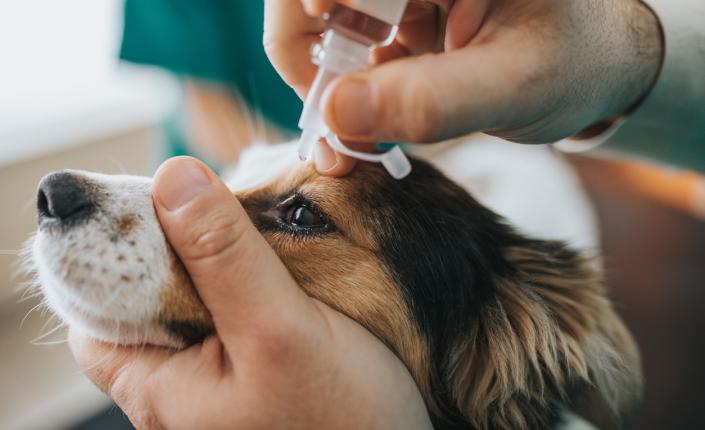
We've all been there – your vet hands you a tiny bottle and casually says, "Just put these drops in Fluffy's eyes twice daily." You smile and nod, but inside you're thinking, "Right... and how exactly am I supposed to do that without losing a finger?"
Administering eye drops to pets can feel like an Olympic sport that no one prepared you for. Whether you're dealing with a squirmy puppy or a ninja-like cat, here's your comprehensive guide to getting those drops where they need to go – with minimal drama for everyone involved!
Why Might Your Pet Need Eye Drops?
Before diving into the how-to, let's understand why your furry friend might need eye medication:
Eye infections (bacterial or fungal)
Dry eye conditions
Post-surgical care
Glaucoma treatment
Corneal injuries
Remember that eye conditions can be serious business. If your pet is squinting, has excessive discharge, redness, or seems to be in pain, don't delay that vet visit!
The Basic Technique: A Step-by-Step Guide
For Both Cats and Dogs:
Prepare everything first: Have your eye drops ready and at room temperature.
Create a calm environment: Choose a quiet space with good lighting.
Position yourself comfortably: Sit on the floor or a chair where you can secure your pet.
Clean around the eye: Use a damp, warm cloth to gently wipe away any discharge.
Hold the eye drops bottle properly: Rest your dominant hand holding the bottle against your pet's head for stability.
Tilt Up: Pets tend to look forward in line with the horizon when you tilt their head up. This means your pet is less likely to watch the drop falling towards them.
Expose the eye: Use your non-dominant hand to gently stabilize the head and pull back the forehead skin / upper eyelid with your pinky.
Apply the drops: Hold the bottle about 1-2 cm from the eye (not touching it!) and squeeze the prescribed number of drops into the eye, aiming for the centre.
Close the eye gently: Allow your pet to blink to distribute the medication.
Reward generously: Treats and praise make this experience more positive for next time!
Special Strategies for Uncooperative Cats
Ah, cats. Those delightful creatures who somehow transform into gymnasts with claws when it's medication time.
The "Purrito" Technique:
Wrap your cat in a towel like a burrito, leaving only their head exposed.
Hold them securely against your body with their back to your chest.
Tilt their head gently upward with one hand.
Apply drops with your free hand.
The Surprise Approach:
Have drops uncapped and ready in your pocket.
Pet and praise your cat when they're relaxed.
Smoothly transition to holding their head and applying drops quickly.
Immediately follow with their favourite treat.
The Team Effort:
One person gently restrains and soothes the cat.
The other person quickly administers the drops.
Both people shower the cat with praise and treats afterward.
Tips for Unwilling Dogs
Dogs may be more compliant than cats, but some can still make this process challenging!
The Hug Method:
Sit on the floor with your dog between your legs, facing the same direction as you.
Wrap one arm around their chest or shoulders.
Use your free hand to administer the drops.
Follow with a special treat they only get after eye drops.
The "Look at That!" Approach:
Have another person hold a high-value treat or toy above your dog's head.
As they look up, quickly apply the drops.
The Gradual Desensitization Training:
Spend a week just touching around your dog's eyes (with clean hands), followed by treats.
Progress to holding an empty dropper near their eye, then treat.
Move on to touching the eye area with a drop of water, then treat.
Finally, introduce the actual medication.
The Lickity Split:
- Slather a lick mat full of your pet’s favorite treat and suction or suspend above eye level
- Let your pet go at it.
- While they’re distracted, do your best to quickly but safely administer the drops.
Advanced Tips for Giving Eyedrops to Your Pet
Timing is everything: Choose a time when your pet is naturally more relaxed.
Pre-chill your pet: A vigorous play session beforehand can make them more compliant.
Mock drops first: Practice the motions without actual medication to build tolerance.
Warm the bottle: Cold drops can be startling – warm the bottle in your pocket for a few minutes first.
Consider enlisting help: Sometimes an extra pair of hands or expert advice makes all the difference.
Talk to your vet: If all else fails, discuss alternative medication forms or administration methods.
What NOT to Do
Don't chase your pet around the house with the eye drops – this creates negative associations.
Don't punish your pet for being difficult.
Don't hold the eye open too forcefully – this can cause injury.
Don't touch the dropper tip to your pet's eye or any surface.
Don't give up after one difficult attempt – persistence (and patience) is key!
Don’t pester them if it’s too distressing. While patience and persistence ARE key, sometimes the best thing to do is take a break and let them de-stress.
When to Call for Backup
If you've tried everything and your pet still turns into a tornado at the sight of eye drops, it might be time to call in reinforcements. Many veterinary clinics offer "medication administration appointments" where a technician can demonstrate techniques or even administer difficult medications. It’s best to find a fear free veterinary clinic in order to cause the least amount of stress possible.
For our fellow Canadians, many provincial veterinary associations also offer resources and videos on medication administration – check your local association's website!
The Post-Drop Celebration
Make sure to end each eye drop session with something positive – treats, praise, or a favourite game. This helps create more positive associations for next time. And remember to give yourself a pat on the back too. Successfully medicating a reluctant pet is no small feat! With patience, practice, and maybe a few bribes, you'll become an eye drop expert in no time.